Instant Coupon Redemption vs City Coupon Booklets—What Works Best for Health Savings?
Health savings are increasingly precious, and the way we cut costs on medical expenses is evolving. I’ve seen businesses shift from printed city coupon booklets to digital delivery promo codes, while consumers demand instant redemption options. This article breaks down each approach, compares their effectiveness for health savings, and gives practical guidance on choosing the right strategy.
Understanding Health Savings and Coupon Marketing
Health savings accounts (HSAs) and flexible spending accounts (FSAs) are common tools for consumers to reduce out‑of‑pocket medical costs. Yet even with these plans, everyday healthcare purchases—pharmacy items, wellness products, or preventive services—can add up. That’s where coupon marketing steps in: it delivers tangible discounts that directly lower the cost of health-related goods and services.
Coupon marketing spans print, digital, and mobile channels. The core goal is to drive consumer purchase while giving brands measurable ROI. For healthcare providers and related retailers, a well‑executed coupon strategy can increase foot traffic, boost loyalty, and enhance patient satisfaction—while consumers reap immediate savings that improve their health budget.
In my experience, the most successful campaigns are those that combine data-driven targeting with seamless redemption experiences. When customers see a clear value proposition and can claim it without friction, they’re more likely to act—and that translates directly into higher health savings.
City Coupon Booklets: The Traditional Approach
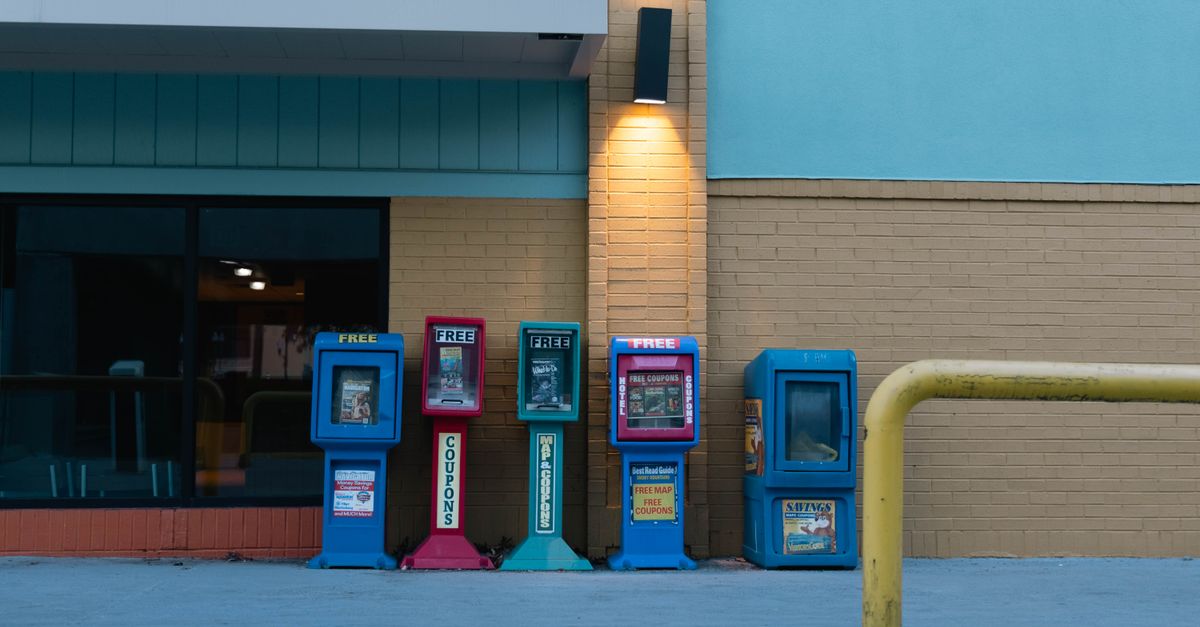
City coupon booklets have been a staple of local commerce for decades. They typically contain a collection of print coupons from participating businesses—pharmacies, clinics, and wellness centers—distributed through newspapers, community newsletters, or in‑store displays.
The appeal lies in their tangible nature: customers can hold the booklet, flip to a coupon, and use it at checkout. For health savings, this method works well when targeting older demographics who are comfortable with physical media and prefer a tactile reminder of available discounts.
Key Advantages
- Trustworthiness: Physical coupons feel authentic and credible.
- Local Focus: Enables community partners to promote nearby services.
- No Tech Barrier: Accessible to all age groups, regardless of digital literacy.
- Marketing Visibility: Booklets can be displayed prominently in clinics or pharmacies.
The primary drawbacks are distribution costs, limited reach (only those who pick up the booklet), and the lag between issue and redemption. In a fast‑moving health market, these limitations often reduce overall savings impact compared to digital alternatives.
Enhancing Print Strategies
Many neighborhoods still welcome these booklets on community bulletin boards, at local health fairs, or as inserts in the Saturday paper. By partnering with neighborhood associations and senior centers, retailers can increase pickup rates and embed coupons into routine visits—such as during a routine flu shot appointment. Additionally, including QR codes that link to an online version of the booklet offers a hybrid touchpoint for tech-savvy users who prefer digital access but still value a physical copy.
Delivery Promo Codes: The Digital Shift
Delivery promo codes are short alphanumeric strings that customers enter during online checkout or present at in‑store kiosks. They’re delivered via email, SMS, or app notifications and can be automatically applied when the user meets specific criteria (e.g., minimum purchase amount).
This channel is ideal for health‑tech startups, telemedicine platforms, and e‑pharmacies that rely heavily on online transactions. Delivery promo codes integrate with point‑of‑sale systems, enabling real‑time discount application without manual verification.
Benefits of Delivery Promo Codes
- Wide Reach: Sent instantly to anyone with an email or phone number.
- Automation: Reduces staff effort and errors in applying discounts.
- Data Capture: Tracks redemption rates, customer behavior, and campaign performance.
- Flexibility: Easy to modify terms (expiry dates, usage limits) on the fly.
However, delivery promo codes rely on digital engagement. If consumers aren’t checking their email or using apps regularly, they may miss out—diminishing potential health savings. Additionally, there’s a risk of codes being ignored if perceived as spam.
Optimizing Digital Delivery
To counteract the spam perception, many brands use personalized subject lines and time‑sensitive language that highlights urgency without sounding pushy. Opt-in SMS campaigns can be bundled with loyalty programs, ensuring only engaged customers receive offers. Compliance with privacy regulations—such as GDPR or CAN‑SPAM—helps maintain trust and keeps delivery rates high.
Instant Coupon Redemption: On-the-Spot Savings
Instant coupon redemption refers to mobile‑based coupons that can be scanned or activated instantly during the purchase process. These coupons are often tied to loyalty apps or QR codes displayed at checkout counters.
The advantage is immediacy: customers receive a discount in real time, reinforcing the value of the transaction and encouraging repeat visits. For health savings, instant redemption is powerful when consumers need quick decisions—such as purchasing over‑the‑counter medication during an emergency visit.
Pros of Instant Redemption
- No Waiting: Discount applied instantly at point of sale.
- Higher Engagement: Mobile app notifications prompt immediate action.
- Rich Analytics: Real‑time data on usage patterns and customer preferences.
- Personalization: Coupons can be tailored to individual health needs or purchase history.
The challenge lies in ensuring all staff are trained to scan codes correctly, and that the technology infrastructure supports smooth integration. For small clinics with limited tech budgets, this may require significant upfront investment.
Practical Implementation Tips
Many pharmacies use a simple QR code printed on a receipt or displayed near the pharmacy counter; customers tap it to unlock a discount on their next visit. Staff can receive short video tutorials that walk through the scanning process, and kiosks can be set up with automatic code recognition software to reduce human error. For telehealth platforms, instant coupons might appear as a pop‑up during a virtual consultation, offering a discounted health kit or preventive screening.
Comparative Analysis: Which Works Best for Health Savings?
When evaluating city coupon booklets, delivery promo codes, and instant redemption, consider these criteria:
- Target Audience: Older adults favor print; younger consumers lean digital.
- Channel Reach: Delivery codes reach anyone online; booklets are limited to physical distribution.
- Redemption Speed: Instant offers the fastest savings realization.
- Data Insights: Digital methods provide richer analytics for future campaigns.
- Cost Considerations: Print requires production and distribution budgets; digital demands IT infrastructure but can scale with fewer marginal costs.
In practice, a hybrid approach often yields the best results. For example, a health‑care clinic could distribute a city coupon booklet at annual check‑ups while simultaneously sending delivery promo codes for prescription refills and offering instant redemption for over‑the‑counter products. This layered strategy maximizes reach, drives immediate savings, and supplies actionable data.
Practical Tips for Businesses and Consumers
For Businesses:
- Create Clear Terms: Specify usage limits, expiry dates, and eligible products to avoid confusion.
- Leverage Data: Use redemption metrics to refine targeting—send more relevant offers to high‑value patients.
- Integrate Seamlessly: Ensure point‑of‑sale systems automatically recognize digital coupons.
- Educate Staff and Customers: Provide quick guides on scanning codes or using app-based coupons.
For Consumers:
- Check Emails Regularly: Don’t miss delivery promo codes that may be time‑sensitive.
- Download Loyalty Apps: Many instant redemption offers are exclusive to app users.
- Keep a Digital Wallet: Store QR codes or coupon links for easy access during purchases.
- Track Your Savings: Log redeemed coupons to estimate cumulative health savings over time.
A common mistake is over‑promising discounts without ensuring the underlying cost structure can sustain them. Both businesses and consumers should align expectations with realistic savings potential.
Conclusion & Takeaway
The most effective coupon strategy for health savings combines multiple channels—print, delivery, and instant redemption—to reach diverse audiences while maximizing real‑time discounts and data insights.I’ve seen small clinics boost patient retention by offering instant coupons for preventive screenings, while larger pharmacies use delivery promo codes to promote generic drug bundles. The key is aligning the coupon type with the consumer’s purchasing behavior and the business’s operational capacity.
Which coupon channel has delivered the biggest health savings in your experience, and why?