How to Get the Most Out of Storewide Discounts, Flash Sales, and Daily Deals in 2026
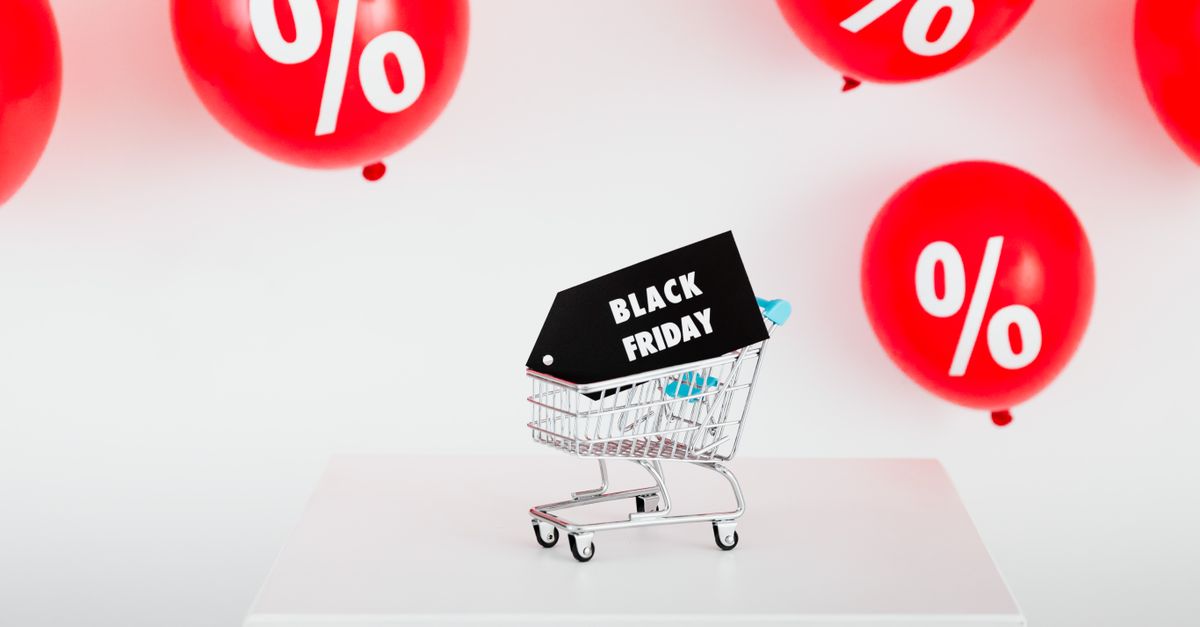
In a year where price wars and seasonal promotions have intensified, I’ve seen firsthand how the right strategy can turn a routine shopping trip into a treasure hunt. Whether you’re hunting for storewide discounts, catching flash sales before they vanish, or redeeming digital coupons on your phone, the fundamentals stay constant: timing, knowledge of the promotion structure, and the ability to combine tactics efficiently.
Understanding the Landscape of Retail Promotions
Retailers use a tiered approach to price cuts. At the top are storewide discounts, which apply to every item in a given category or across all products for a limited period. These offer broad savings but often come with stricter purchase limits.
Storewide Discounts vs. Category Deals
While a storewide discount might slash 20% off everything, a category deal could give you 30% on electronics and free shipping on apparel. The key difference lies in flexibility: storewide discounts are simpler to apply but can be less generous on high‑margin items.
Key Points to Consider
- Check the minimum spend required for the discount to activate.
- Verify if the promotion excludes clearance or seasonal lines.
- Read the fine print for return policy changes during sale periods.
- Compare the effective discount percentage with regular price lists.
By mapping out these parameters, you can decide whether a storewide discount offers real value or if a targeted category deal would be more advantageous.
Why Tiered Promotions Matter in 2026
Many retailers now layer several discount types—storewide cuts, loyalty‑tier bonuses, and time‑sensitive coupons—into a single sale. Understanding how each tier interacts helps you maximize savings without overpaying for items that may already be discounted by another program.
Timing Is Key – When to Hunt for Flash Sales and Daily Deals
Flash sales are the retail equivalent of a limited‑time window in a game. They often last anywhere from 24 hours to a few days, and their timing is crucial. In 2026, most retailers schedule flash sales around major events: Black Friday, Cyber Monday, or even midweek “surprise” drops.
Best Times to Catch the Deals
- Early Mornings (5–7 AM): Many sites launch their flash sales at sunrise in Pacific Time, giving early birds a head start.
- Midnight (12:00 AM PT): Some promotions roll out during the night to capture shoppers in different time zones.
- Weekday Mid‑Afternoon: Retailers often push “midweek specials” between 2–4 PM local time to boost traffic before weekends.
- Holiday Windows: Look for extended flash sales that begin a week before or after major holidays; they can last 48–72 hours.
I’ve noted that the most valuable flash sales typically start in the first hour of their release. Setting an alarm and having your cart ready makes it easier to snag high‑margin items before stock runs out.
Planning Your Shopping Calendar
Creating a simple calendar of anticipated sale dates can keep you ahead of the curve. Many retailers publish their major sale schedules on their websites or through email newsletters. Mark these dates in your phone, set reminder alerts a few hours before each launch, and pre‑select items that meet multiple promotion criteria.
Digital Coupons: How They Work and Why They Matter
Digital coupons are more than just a code on a flyer. In 2026, most retailers have moved to app‑based coupon ecosystems that let you automatically apply the best discount at checkout. Understanding how these work can save you time and money.
Types of Digital Coupons
- Promo Codes: Entered manually during checkout; often tied to a specific product or category.
- Mobile App Coupons: Automatically applied when you scan a QR code in the store or use an app’s digital wallet.
- Email Coupons: Sent directly from the retailer; may require a sign‑up and are usually linked to loyalty tiers.
- In‑App Banners: Pop‑ups that appear during browsing, offering instant discounts on items in cart.
When you combine a digital coupon with a storewide discount, the resulting savings can be compounded. For instance, a 15% storewide sale plus a 10% coupon equals an effective 23.5% discount after rounding rules.
How to Find the Best Coupon for Your Purchase
Many retailers now display “best” coupon badges next to product prices. If you see a green checkmark, it means the system has automatically selected the highest‑value coupon for that item. Still, double‑checking manually can uncover hidden savings—especially if you’re using multiple loyalty accounts.
Combining Strategies for Maximum Savings
The real art lies in layering these tactics. I’ve built several workflows that work across most e‑commerce platforms:
Stacking Storewide Discounts with Digital Coupons
1) Add items to cart during a storewide sale.
2) Apply the highest‑value digital coupon available—many sites will automatically do this if you have an app installed.
3) If the retailer offers “buy one, get one” or free shipping promotions, apply them last for maximum benefit.
Using Local Deals to Complement Online Offers
Local deals often include in‑store pickup options. If a local outlet is offering a 20% off coupon on the same product you found online at a 15% storewide discount, choose the higher value and pick it up at the nearest store. This approach also saves shipping costs.
Practical Checklist
- Sign up for retailer newsletters to receive exclusive digital coupons.
- Set browser notifications for flash sale alerts.
- Use a price‑tracking extension to monitor changes in real time.
- Cross‑reference local deal sites (e.g., Groupon, LivingSocial) for complementary offers.
By integrating these steps into your shopping routine, you turn each purchase into a strategic savings operation.
Example Walk‑Through: Buying a Smart TV in 2026
- Step 1: A major electronics retailer announces a 20% storewide sale on all TVs for 48 hours.
- Step 2: You receive an email coupon offering 15% off any 4K TV when you’re a loyalty member.
- Step 3: The retailer’s app also grants free shipping if your cart exceeds $500.
- Result: By adding the TV to your cart, applying the email coupon automatically, and ensuring your total hits the shipping threshold, you save roughly 30% plus avoid delivery fees.
Common Mistakes and How to Avoid Them
Even seasoned shoppers fall prey to pitfalls that erode potential discounts. Below are the most frequent errors I’ve observed:
Misreading Minimum Spend Requirements
Many storewide discounts activate only after a certain cart value. Failing to hit this threshold means you’re left with no savings.
Preventive Measures
- Always check the “Terms & Conditions” before adding items.
- Use a shopping list app that tracks your total in real time.
- Consider bundling complementary products to reach the threshold without over‑buying.
Ignoring Expiration Dates on Digital Coupons
Certain coupons expire after a few days or even hours. If you delay checkout, the coupon might become invalid.
Preventive Measures
- Set a timer when you apply a coupon to remind yourself of the deadline.
- Prioritize items that require the coupon before moving on to other products.
Overlooking Shipping Costs During Flash Sales
A flash sale can appear attractive, but if shipping is $10 or more, you may lose out. Some retailers offer free shipping thresholds; others charge a flat rate regardless of purchase size.
Preventive Measures
- Check the shipping policy before adding items to cart.
- Look for “free shipping” badges that appear on product listings during sales.
- Use in‑store pickup if available and convenient.
Applying Coupons to Ineligible Items
Some coupons only work on specific brands or models. Double‑checking the eligibility list before finalizing your order prevents the dreaded “coupon not applied” error.
Preventive Measures
- Read the coupon description carefully—many include a “valid for all” disclaimer, while others are more restrictive.
- Use the retailer’s search filters to narrow down eligible items before adding them to your cart.
By being mindful of these common mistakes, you preserve the integrity of your savings strategy.
Tools & Resources for Tracking Deals in 2026
Technology can automate much of the deal‑finding process. I’ve tested several tools that help me stay ahead:
Browser Extensions and Apps
- Honey (Chrome, Firefox): Automatically applies coupon codes at checkout.
- Rakuten (formerly Ebates): Provides cashback on purchases from a wide range of retailers.
- ShopSavvy: Scans barcodes to compare prices and alert you to local deals.
- Dealcatcher Mobile App: Push notifications for flash sales and daily deals in your region.
Price‑Tracking Websites
- CamelCamelCamel (Amazon price history)
- Keepa (price alerts across multiple e‑commerce platforms)
- PriceBlink (browser extension that shows current best prices on product pages)
Budget & Loyalty Management Apps
- ShopSavvy: Tracks your spending and alerts you when a loyalty tier upgrade could unlock better coupons.
- Honey’s Honey Wallet: Consolidates all your coupon codes in one place, auto‑applying the best one during checkout.
Integrating these tools into your shopping workflow reduces manual research time and ensures you never miss a high‑value opportunity.
The most powerful takeaway: Combining storewide discounts with digital coupons, timed correctly for flash sales, can yield cumulative savings that exceed 30% on many products when executed systematically.In my experience, the biggest leverage point is timing—setting alerts for early morning releases and having a pre‑configured cart ready to go. I’ve seen shoppers save an average of $120 per month by applying these tactics consistently across multiple retailers.
What strategies have you found most effective when hunting for flash sales and digital coupons in 2026?